
Air Conditioning
Installations
In recent years, the summer months have become increasingly hotter, making a modern and efficient air conditioning system a vital investment for your home or property.
Our top-of-the-line Air Conditioning units can provide a heavenly respite from the scorching temperatures, while also delivering clean, filtered air that can benefit those suffering from allergies and other respiratory issues.
But our solutions don’t just keep you cool in the summer – we also offer units that supply both hot and cold air, allowing you to stay comfortable all year round. Whether you need to escape the heat or keep warm during the winter, we have the perfect climate control system to meet your needs.
Regardless of the size or nature of your project, you can trust that we’ll deliver energy-efficient, high-quality solutions using only the best available products.
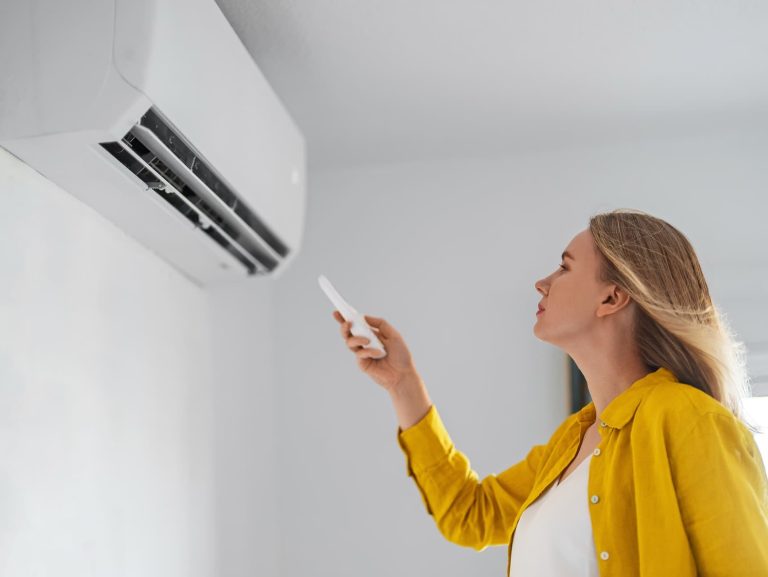
Domestic Air Conditioning
Our comprehensive domestic air conditioning services cover the entire process, from design to installation of complete heat pump systems. This allows you to effortlessly cool and heat your home, ensuring your comfort all year round.
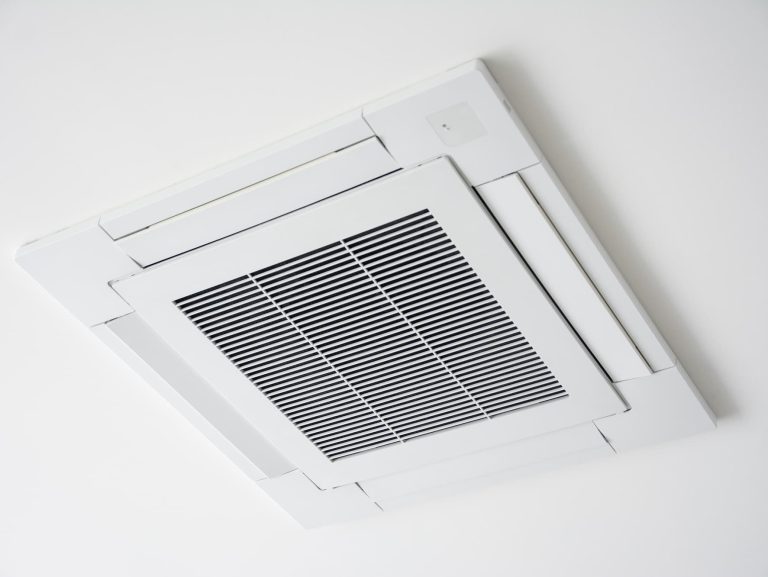
Commercial Air Conditioning
We offer complete commercial air conditioning solutions for a wide range of spaces, including retail outlets, offices, and industrial units. Our services enable you to create the perfect climate for your business, keeping your employees and customers comfortable.
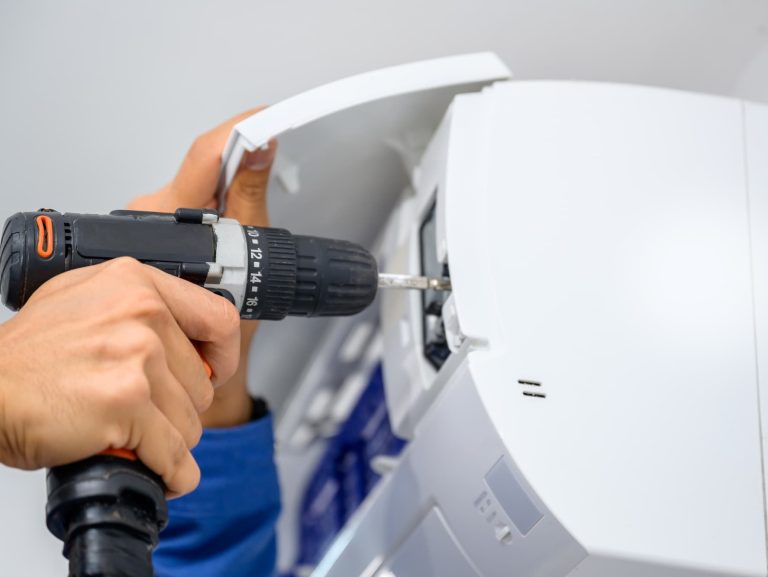
Service and Maintenance
To keep your air conditioning system operating at its best, we provide both scheduled and reactive service and maintenance solutions. Our expert technicians will ensure your system is running smoothly and efficiently, minimizing disruptions and maximizing performance.
What types of air conditioning systems are available for homes and offices?
Improved Comfort
A hot and cold air conditioning system provides year-round temperature control, ensuring a comfortable living environment regardless of the outdoor weather conditions.
Enhanced Energy Efficiency
Modern air conditioning systems are designed to be highly energy-efficient, helping to reduce your energy bills and your carbon footprint.
Improved Indoor Air Quality
Air conditioning systems filter and circulate the air, removing dust, pollen, and other airborne pollutants, which can improve the overall air quality in your home.
Increased Property Value
The installation of a high-quality air conditioning system can increase the value of your property, making it more attractive to potential buyers.
Reduced Humidity
Air conditioning systems can help to control the humidity levels in your home, preventing the growth of mold and mildew and creating a healthier living environment.
Rapid Cooling & Heating
Precise temperature control, avoiding the unbearable heat of summer and heating your home efficiently in the winter.
Frequently Asked Questions about Air Conditioning Installations:
How do I determine the right size AC unit for my space?
The size depends on the square footage, insulation, window size, and ceiling height. A professional HVAC technician can perform a load calculation.
What is the difference between central air and split systems?
Central air uses ductwork to cool an entire building, while split systems have indoor and outdoor units that cool specific zones without ducts.
How often should I service my AC system?
At least once a year, ideally before the cooling season begins, for optimal performance and lifespan.
What are SEER ratings and why do they matter?
With proper maintenance, 10–15 years is typical for central systems. Ductless units can last 15–20 years.
How long do air conditioners typically last?
In most cases, you will need to notify your local building authority before installing a new boiler to ensure it meets safety and efficiency standards.
What are the signs that my AC needs repair or replacement?
Weak airflow, unusual noises, frequent cycling, high energy bills, or uneven cooling are common indicators.
Is it better to repair or replace an older unit?
If your unit is over 10 years old and needs frequent or costly repairs, replacement may be more cost-effective.
Can I install an air conditioner myself?
Window or portable units are DIY-friendly, but central or ductless systems should be installed by licensed professionals.
What’s the best temperature to set my AC for comfort and energy efficiency?
Around 24–26°C (75–78°F) is recommended. Using a programmable thermostat helps maintain efficiency.
Energy Efficiency & Cost
Air Quality & Maintenance
Energy Efficiency & Cost:
How can I reduce my air conditioning energy bill?
Use a programmable thermostat, seal leaks, maintain filters, close blinds during the day, and service the system regularly.
Do smart thermostats work with all AC systems?
Most modern systems are compatible, but check manufacturer specifications before purchasing.
Does turning the AC off when I’m not home save energy?
Yes, but using a programmable or smart thermostat to adjust temperatures is often more efficient.
Are there government rebates for energy-efficient AC systems?
Many regions offer rebates or tax credits. Check with your local energy authority or utility provider.
Air Quality & Maintenance:
How often should I change or clean AC filters?
Every 1–3 months, depending on usage, pets, and indoor air quality.
Can my AC system improve indoor air quality?
Yes, especially if it has high-quality filters or integrated air purifiers or dehumidifiers.
Why does my AC smell musty or moldy?
This could indicate mold or mildew in the ductwork or evaporator coil and should be inspected promptly.
How can I prevent mold growth in my AC system?
Keep filters clean, ensure proper drainage, and schedule regular maintenance.
Installation & Design:
How long does it take to install a new AC system?
Installation typically takes 1–3 days depending on system type and building structure.
Can I zone my AC system to control temperatures in different areas?
Yes, zoned systems or ductless mini-splits allow for independent temperature control.
What should I consider before installing AC in an older building?
Check for insulation, ductwork condition, electrical capacity, and potential structural modifications.