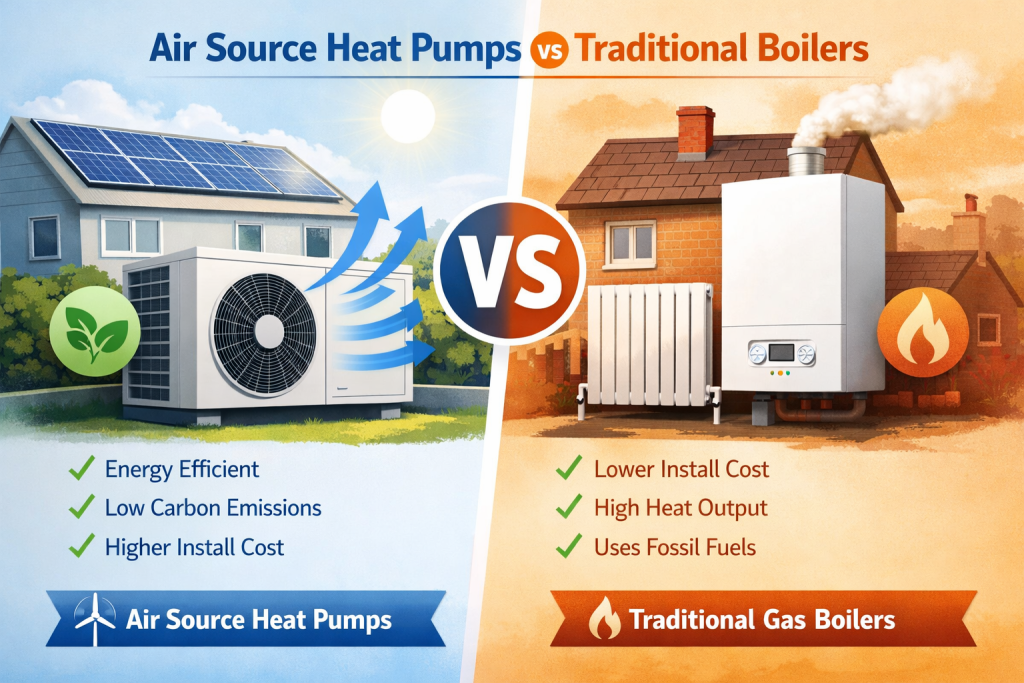
As energy prices continue to fluctuate and sustainability becomes a growing priority across the UK, choosing the right heating system has never been more important. Two of the most common options for residential and commercial properties are air source heat pumps and traditional gas boilers. While both provide reliable heating and hot water, they differ significantly in how they operate, their costs, efficiency, and environmental impact.
This guide explores the key differences to help you decide which solution is best for your property.
How air source heat pumps work
Air source heat pumps extract heat from the outside air and convert it into usable energy for heating and hot water inside your property. Even in cold weather, these systems are able to draw in ambient heat and amplify it using electricity. Rather than generating heat directly, air source heat pumps transfer existing heat, which makes them extremely energy efficient. For every unit of electricity used, they can produce three to four units of heat. This level of performance makes them significantly more efficient than traditional heating systems.
Air source heat pumps typically have a lifespan of 20 years or more when correctly installed and maintained, making them a long-term investment in both comfort and efficiency.
How traditional boilers work
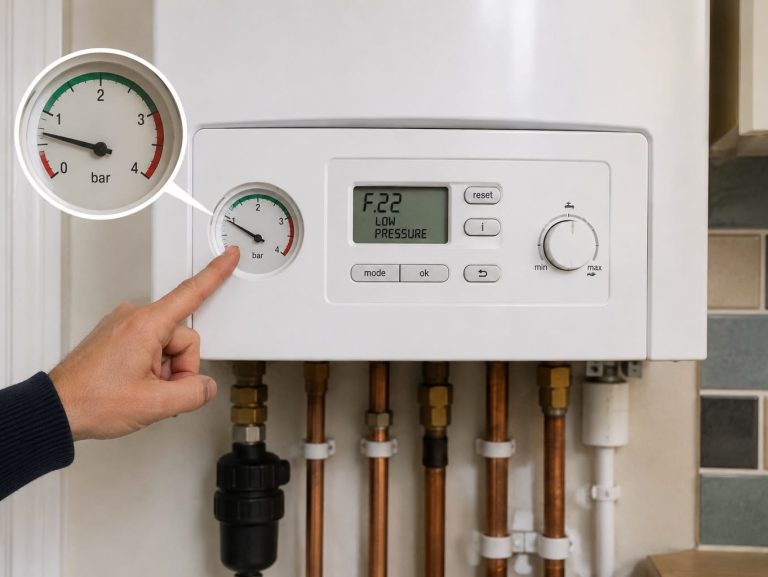
Traditional gas boilers heat water by burning natural gas. This hot water is then circulated through radiators, underfloor heating systems, and taps to provide space heating and domestic hot water. Modern condensing boilers are far more efficient than older models and can convert up to 90–95% of the gas they use into heat. They are widely used across the UK due to their relatively low installation cost, compact size, and ability to deliver high-temperature heat quickly.
On average, a well-maintained gas boiler will last between 10 and 15 years.
Installation costs and practical considerations
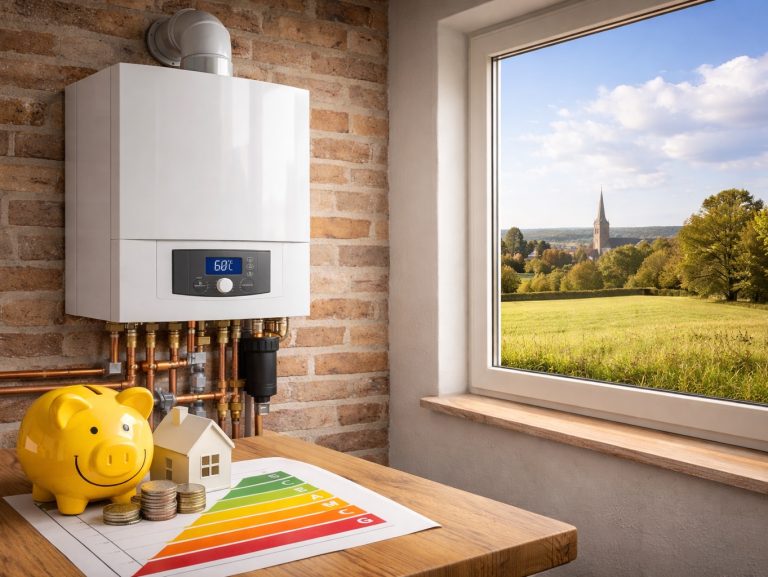
One of the biggest differences between heat pumps and boilers is the initial installation cost. Air source heat pumps are more expensive to install, largely due to the equipment involved and potential upgrades required to radiators, pipework, or insulation. Installation can take several days, particularly in older properties. However, government incentives such as the Boiler Upgrade Scheme can significantly reduce upfront costs, making heat pumps more accessible for homeowners and developers.
Gas boilers are generally cheaper and quicker to install, especially when replacing an existing system. In many cases, a boiler swap can be completed within one or two days with minimal disruption.
Energy efficiency and running costs
In terms of efficiency, air source heat pumps outperform gas boilers by a wide margin. Their ability to produce multiple units of heat from a single unit of electricity makes them one of the most efficient heating solutions available. Running costs, however, depend heavily on current energy prices. While heat pumps use less energy overall, electricity remains more expensive than gas in the UK. As a result, running costs can be similar to, or slightly higher than, a modern gas boiler on a standard tariff.
That said, heat pumps become far more cost-effective when combined with solar panels or specialist electricity tariffs designed for low-temperature heating systems.
Environmental impact and carbon emissions
Air source heat pumps are widely regarded as a low-carbon heating solution. Because they use electricity rather than fossil fuels, they produce significantly fewer carbon emissions, especially as the UK’s electricity grid continues to transition towards renewable energy.
Gas boilers, by contrast, rely on burning natural gas and produce direct carbon emissions every time they operate. As the UK moves closer to its Net Zero targets, gas heating is expected to become less favourable, both environmentally and legislatively.
For homeowners and businesses looking to reduce their carbon footprint and future-proof their property, heat pumps offer a clear environmental advantage.
Heating performance and comfort
Heat pumps deliver heat at lower temperatures than gas boilers, typically between 35 and 55 degrees Celsius. This means they work best in well-insulated buildings and are particularly effective when paired with underfloor heating or larger radiators. Gas boilers produce high-temperature heat quickly, which can be beneficial in older or less insulated properties where rapid warmth is required.
When properly designed, both systems can deliver excellent comfort. The key difference lies in how the heat is distributed and how well the property retains it.
Maintenance, servicing, and lifespan
Air source heat pumps generally require less frequent servicing than gas boilers, with professional checks typically recommended every two to three years. They have fewer moving parts and no combustion process, which reduces wear and tear.
Gas boilers should be serviced annually to ensure safety and efficiency. While engineers are widely available, the shorter lifespan means boilers will usually need replacing sooner than a heat pump.
Which heating system is right for you?
Air source heat pumps are ideal for those who want a low-carbon, energy-efficient heating solution and are planning for the long term. They are particularly well suited to new builds, renovations, and properties with good insulation.
Traditional boilers remain a practical option where upfront cost is the primary concern or where the property layout or insulation levels make a heat pump less suitable without additional upgrades.
Final thoughts
Both air source heat pumps and gas boilers have their place in modern heating systems. While boilers remain a familiar and cost-effective option in the short term, air source heat pumps represent the future of heating in the UK, offering superior efficiency, lower carbon emissions, and long-term sustainability.
At PHS Group Ltd, we help homeowners, landlords, and commercial properties choose heating systems that balance comfort, efficiency, and long-term value. Whether you’re considering a boiler replacement or exploring renewable heating options, expert advice ensures you get the best solution for your property. Please contact us here for more information.