As homeowners and businesses increasingly look for sustainable, cost-effective alternatives to traditional heating systems, air source heat pumps (ASHPs) have gained significant attention. At Premier Heating Solutions, we specialise in delivering efficient, eco-friendly heating systems across the UK.
In this article, we explore what air source heat pumps are, how they work, their benefits, where and how they can be installed, and their suitability for different property types.
What is an Air Source Heat Pump?
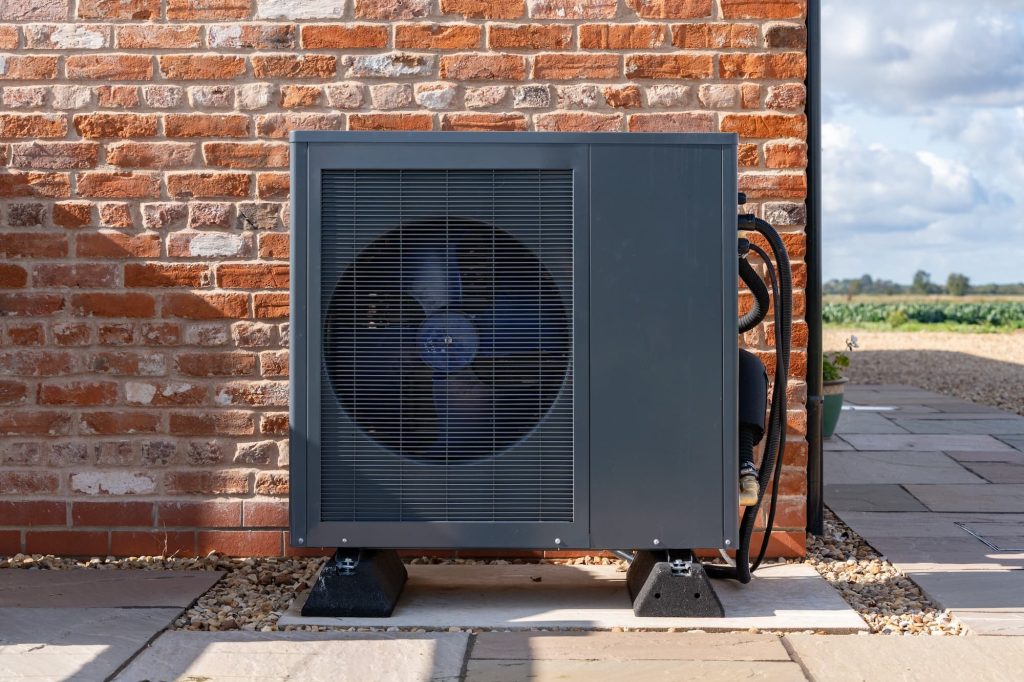
An air source heat pump is a renewable energy system that absorbs heat from the outside air and transfers it into your home to provide heating and hot water. It works similarly to a refrigerator in reverse. Even in low outdoor temperatures, ASHPs can extract heat from the air using a refrigerant cycle and an electrically powered compressor.
There are two main types of air source heat pumps:
- Air-to-Water Heat Pumps – These heat water, which is then circulated through radiators, underfloor heating systems, or hot water cylinders.
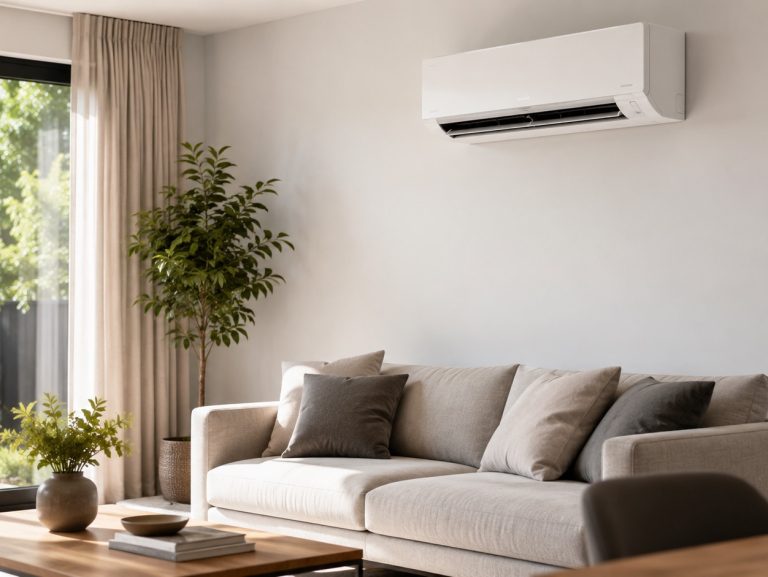
- Air-to-Air Heat Pumps – These provide warm air directly to your home and may also offer cooling in summer.
How Do Air Source Heat Pumps Work?
Air source heat pumps operate using four main components:
- Evaporator – Absorbs heat from outside air.
- Compressor – Compresses the refrigerant to increase its temperature.
- Condenser – Transfers the heat to your heating system.
- Expansion Valve – Lowers the pressure of the refrigerant so the cycle can start again.
Even when the air temperature is as low as -15°C, a high-efficiency ASHP can still extract usable heat, making it a viable year-round solution for the UK climate.
Benefits of Air Source Heat Pumps
1. Energy Efficiency
Air source heat pumps are highly efficient, producing up to 3–4 units of heat for every unit of electricity used (300–400% efficiency).
2. Lower Energy Bills
Due to their efficiency, ASHPs can reduce your energy consumption and heating costs—especially when replacing electric, oil, or LPG heating systems.
3. Reduced Carbon Emissions
Using an ASHP can significantly lower your home’s carbon footprint, particularly when powered by renewable electricity sources.
4. Low Maintenance
ASHPs require less maintenance than combustion-based systems. Regular checks and occasional servicing from a professional installer like Premier Heating Solutions will keep them running efficiently.
5. Eligibility for Financial Incentives
In the UK, air source heat pumps may qualify for government grants such as the Boiler Upgrade Scheme (BUS), helping offset installation costs.
Where and How Can They Be Installed?
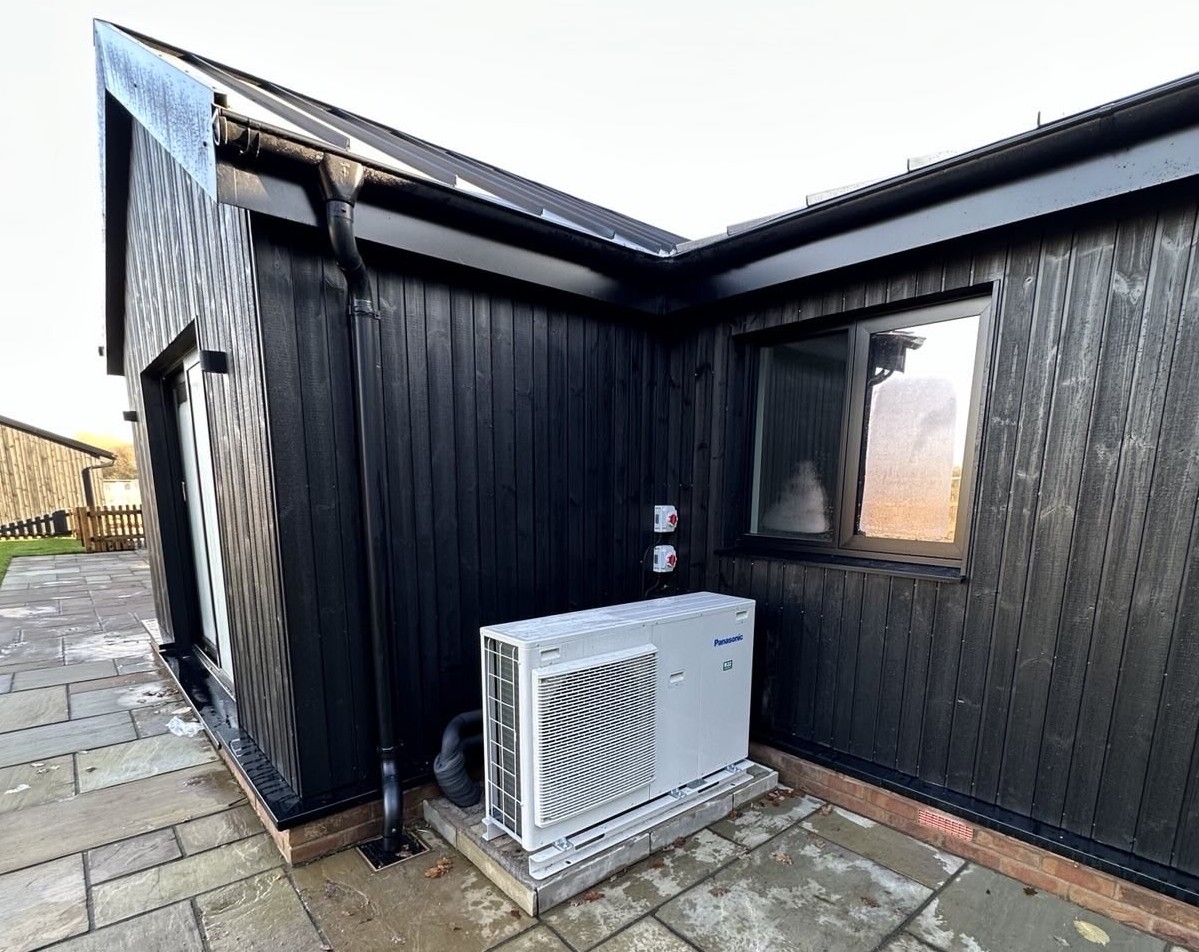
Installing an ASHP involves placing the outdoor unit outside your property—ideally in a sheltered, well-ventilated space near your heating system. It should be placed on a flat surface like a concrete base or wall-mounted bracket. The indoor components (such as hot water cylinders or air handling units) are connected via insulated pipes.
Premier Heating Solutions are proud to work with Nu-Heat on the complete design of heating and hot water underfloor heating systems. Nu-Heat only use the highest quality, tried-and-tested components and are accredited installers of NIBE and Panasonic ASHPs for domestic hot water and space heating.
Key installation considerations:
- Proximity to the property’s hot water system.
- Space for the outdoor unit (typically similar in size to an air conditioning unit).
- Adequate ventilation around the unit.
- Noise levels (modern units are quiet, but placement is still important).
Premier Heating Solutions offers a full site survey to determine the ideal location and setup for optimal efficiency and performance.
Suitable Property Types
Air source heat pumps are versatile and suitable for a wide range of properties, including:
- Detached and Semi-Detached Homes – Ideal for installations where space is available outside.
- Bungalows and Cottages – Especially beneficial for off-grid properties currently using oil or LPG.
- New Builds – Work exceptionally well with modern insulation standards and underfloor heating.
- Renovations – With improved insulation and heating distribution, retrofitting older homes is more feasible than ever.
For maximum efficiency, properties with good insulation and low heat loss will see the greatest benefits.
How Energy Efficient Are They?
Energy efficiency is typically expressed as the Coefficient of Performance (COP). A COP of 3 means the system produces 3 kW of heat for every 1 kW of electricity consumed. Some modern air source heat pumps achieve Seasonal COPs (SCOP) of 3.5 to 4.5 depending on climate and installation.
To maximise performance:
- Ensure proper insulation and draught-proofing.
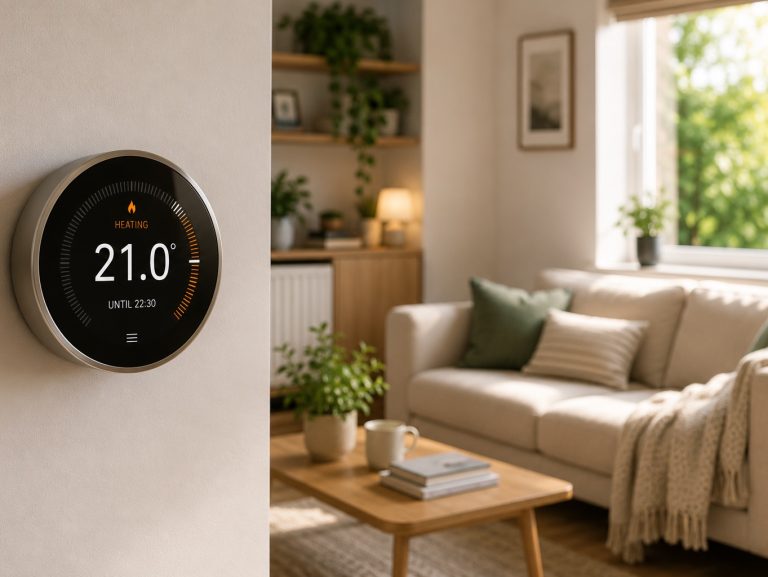
- Pair the system with smart thermostats.
- Regularly service the system for peak operation.
Is an Air Source Heat Pump right for you?
At Premier Heating Solutions, we offer expert guidance tailored to your property and lifestyle. During a consultation, we assess your current heating setup, insulation levels, and usage patterns to recommend the most efficient, cost-effective solution.
Whether you’re looking to reduce energy bills, cut carbon emissions, or future-proof your home with a renewable heating system, an air source heat pump may be the ideal solution.
Get in touch with Premier Heating Solutions
Ready to make the switch to renewable heating? Contact Premier Heating Solutions today for a free consultation and find out how we can help you install a high-performance air source heat pump designed to meet your needs.